Eat
How to eat here
Boston’s essential food story is New England seafood—best approached as a serious meal, not a waterfront-photo prop—alongside the North End’s Italian-American sweets and restaurants. For the strongest neighborhood eating, look first to the South End for destination dining, Cambridge for independent, university-city range, and East Boston for Latin American food; Allston is the more casual, student-priced alternative. The North End is still worth doing for its atmosphere, pasta and cannoli, but Hanover Street’s visitor crush makes it a place to choose carefully rather than blindly follow a line.
New England clam chowder: creamy, briny and usually served with oyster crackers; seek a seafood-focused kitchen rather than treating it as an obligatory tourist starter. · Lobster rolls and whole lobster: a classic New England splurge, with both chilled mayonnaise-dressed and warm buttered styles in circulation. · Fried clams and other fried seafood, especially as a casual coastal-style meal rather than fine dining. · Local oysters and raw-bar seafood: Boston’s harbor setting and New England supply make this one of the city’s most reliable food categories. · North End Italian-American dining: red-sauce staples, pasta and convivial crowded rooms on and around Hanover Street. · Cannoli in the North End: a ritual as much as a dessert; expect queues and decide whether the line is part of the outing. · Boston baked beans and brown bread: historic Yankee food worth seeking if it appears on a thoughtful menu, though it is not the city’s everyday dining centerpiece. · East Boston’s Latin American cooking, a better reason to cross the harbor than generic airport convenience. · Casual, globally minded student-area eating in Allston, and the broader independent restaurant scene in Cambridge and Brookline.
- Book ahead for sought-after South End dinners and for popular North End restaurants, especially Thursday through Saturday. The North End is compact enough to walk, but its most famous street is crowded at meal times and quality-to-price ratios vary sharply.
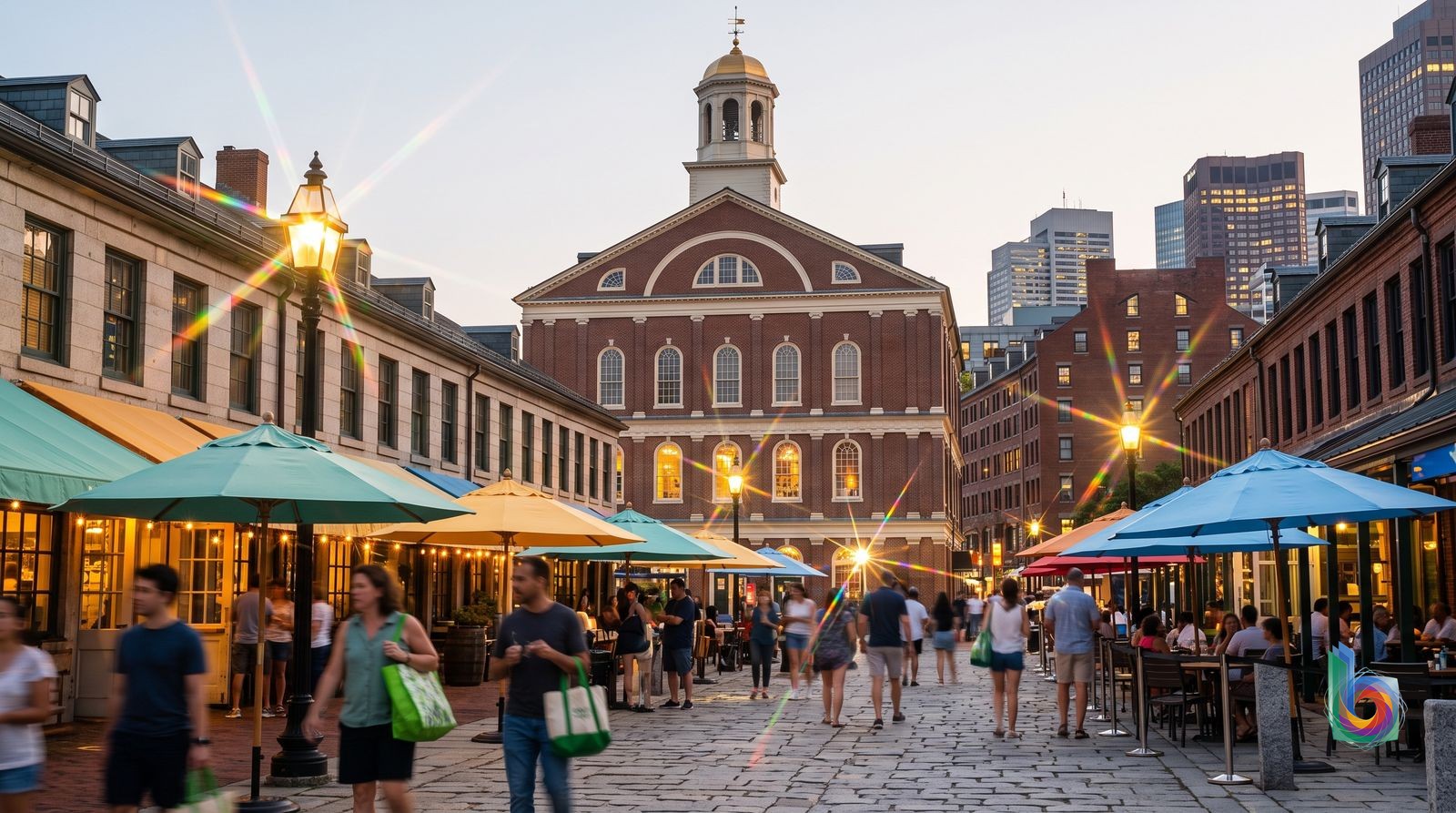
- Do not make Quincy Market or Faneuil Hall your defining Boston meal: the area is convenient between Freedom Trail stops but its food is often tourist-oriented. Eat there only when convenience wins.
- Use the North End strategically: go early, on a weekday, or for a specific restaurant or cannoli rather than grazing wherever the longest queue leads. Tight streets and restaurant noise are part of the experience.
- For food shopping, Boston Public Market is a useful indoor introduction to regional products; Haymarket is the more rough-and-ready produce-market experience. Check current operating days before building an itinerary around either.
- Plan around Fenway schedules. Game days bring crowds, traffic and elevated hotel demand across Fenway–Kenmore, so reserve or eat before/after the rush rather than expecting an easy walk-in nearby.
- Cambridge is not merely an overflow dining zone from Boston: Harvard Square, Central Square and Kendall Square have different characters. Central and Harvard are generally better bets for an independent, lively evening than office-oriented Kendall after work hours; the Red Line makes them straightforward from downtown, but not walkable as a quick detour from the Freedom Trail core.