Visas & entry
U.S. entry rules apply. Visa Waiver Program nationals generally need an approved ESTA before flying; other visitors normally need a U.S. visitor visa. Rules and ESTA eligibility change, so verify with U.S. CBP or the U.S. embassy before booking.
Getting in
- Harry Reid International Airport, Las Vegas: The airport that matters: it is minutes from the Strip and has extensive U.S. domestic, Canadian, Mexican and limited long-haul connections. Use rideshare, taxi, hotel transfer or rental car; there is no direct rail link to the resorts.
- Los Angeles / Southern California: A realistic gateway only for a California–Nevada road trip. The drive to Las Vegas is roughly 4–5 hours without serious I-15 traffic, but Friday outbound and Sunday return congestion can make it much worse.
- Phoenix: Useful for an Arizona–Nevada loop including the Grand Canyon, Hoover Dam or Lake Mead, rather than for Las Vegas alone. Driving to Las Vegas takes about 4.5–5 hours.
Getting around
Base yourself in one Las Vegas hotel—usually central or north Strip—and do not change hotels to chase districts. The Deuce bus runs 24/7 between the Strip and downtown and is cheap but slow in traffic; rideshare is best for resort-to-resort hops, Chinatown, AREA15 and evenings out. Rent a car only for a concentrated two- or three-day outdoor block: Red Rock Canyon is about 17 miles west, Hoover Dam 30–36 miles southeast, and Valley of Fire about 55 miles northeast. Do not rely on Uber/Lyft for Valley of Fire or remote park returns.
Money
The currency is the U.S. dollar. Cards are accepted almost everywhere, but carry a little cash for tips, small casino transactions and backup; check the final hotel total for resort fees, taxes and parking, not just the headline room rate. Tip roughly 18–22% in sit-down restaurants and bars; tip valet, bell staff, drivers and housekeeping separately.
Daily budget · USD
- Value
- $150–250
- Mid-range
- $300–550
- High-end
- $900–2,000+
- Per person per day, excluding international flights and gambling; assumes two people sharing a room.
- Value: off-Strip, downtown or lower-tier Strip hotel; casual meals, food halls or Chinatown; Deuce/selective rideshares; a modest paid activity every day or two.
- Comfortable mid-range: good Strip hotel after taxes and resort fee; one serious dinner or show during the stay; rideshares and/or a short rental-car period; cocktails in moderation.
- High-end: luxury resort or suite, tasting menus, cabanas, headline tickets, private transport and serious nightlife. Event weekends can exceed this quickly.
- Las Vegas is radically date-sensitive: CES, EDC, Formula 1, National Finals Rodeo and major conventions can turn a $90 room into a $450 room.
- Compare final checkout totals, not advertised rates: resort fees, taxes, parking, surge rideshares, cocktails, nightclub cover or tables, spas, cabanas and shows drive the real spend. Resort-fee waivers can save roughly $30–55 per night.
Eating well
- Do one buffet, not several. Modern Vegas buffets are an attraction rather than a cheap meal; lunch or brunch is the sensible way to try one.
- Treat Chinatown as a driving or rideshare destination, not a walking district: it is a long, traffic-heavy strip-mall corridor west of the Strip.
- For named Chinatown stops, Shanghai Taste is a useful soup-dumpling stop; Aburiya Raku is a late-night robata institution; Kame Omakase is a splurge; Daeho Kalbijjim is the big-format Korean braised-short-rib option.
- Book prime-time Thursday-to-Saturday dinners, chef counters, omakase, tasting menus and top Strip restaurants well ahead, especially during convention weeks.
- Eat late if you want the city at its best: Spring Mountain stays active after many Strip kitchens have closed.
- Do not default to generic Strip ‘Asian fusion’ when Chinatown is nearby; save Strip meals for a specific restaurant, a show-night convenience dinner or the full casino spectacle.
Book before you land
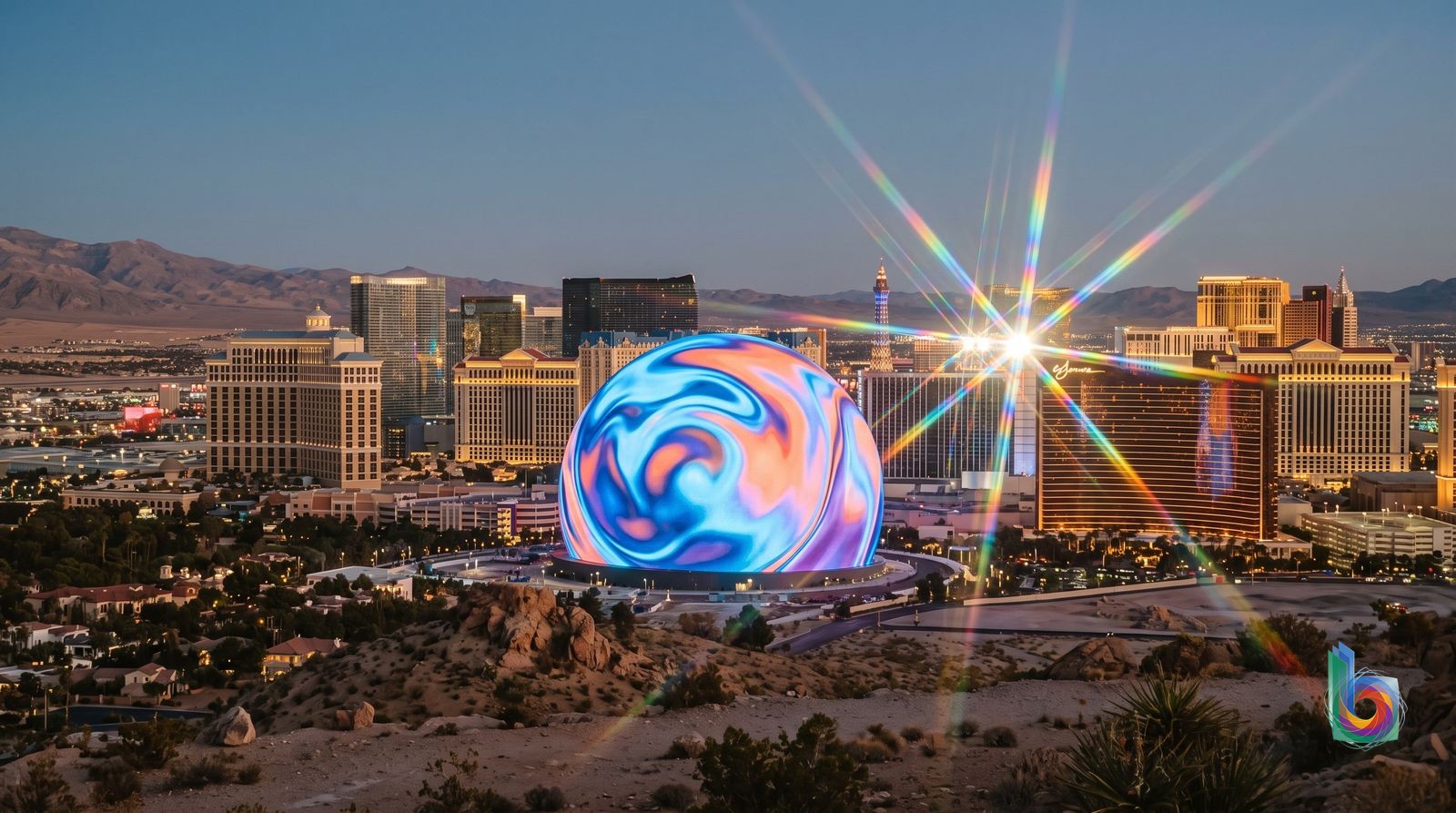
Sphere productions and major concert residencies, especially Friday–Saturday and event weekends · Red Rock Canyon Scenic Drive timed-entry reservation (October 1–May 31, 8 a.m.–5 p.m.) · High-demand headline shows and major sports events · Chef counters, omakase and prime-time destination dinners during convention weeks or Thursday–Saturday
- The Strip is physically deceptive: hotels that look adjacent can involve 15–30 minutes of walking through huge casino interiors, pedestrian bridges and heat. Use shade, indoor routes and rideshare strategically.
- Check the citywide convention and event calendar before booking. CES, EDC, New Year’s Eve, National Finals Rodeo and the Las Vegas Grand Prix can radically raise room rates, flights, restaurant demand and traffic.
- Summer desert heat is a safety issue, not an inconvenience. Start Red Rock or Valley of Fire at dawn, carry much more water than you expect, and avoid exposed hikes by late morning.
- Valley of Fire is not a rideshare destination; arrange a rental car, tour or guaranteed return transport. Popular trails close May 15–September 30 for heat risk, and the park has a regular December 1–14 maintenance closure.
- Resort fees, parking, surge-priced rideshares, cocktails and nightclub spending routinely cost more than visitors expect. A cheap room is not necessarily a cheap stay.
- For a desert day, keep one city base and make a clean out-and-back trip. Boulder City is worth a lunch stop around Hoover Dam; an overnight outside Vegas is for atmosphere, not efficiency.
Entry rules change — verify visa requirements for your passport before booking this region.
Season by season
December–February
Daytime highs are usually in the upper 50s to mid-60s°F (14–18°C), with cold evenings but excellent conditions for desert sightseeing and long Strip walks.
Red Rock Canyon and Valley of FireHoover Dam and Lake Meadshows, dining and casino timelower-demand weekday stays outside major events
Pools are mostly irrelevant unless heated, and New Year’s Eve, CES in early January and the National Finals Rodeo in early December drive up rooms, flights and reservations; Valley of Fire closes for annual maintenance December 1–14.
March–May
Warm, dry weather and longer daylight make this the best broad season for the Strip and desert outings, though May can already reach about 91°F (32°C).
first visits mixing city and deserthiking at Red Rock and Valley of Firepool time from late March or Apriloutdoor dining and evening walks
Convention demand can erase weekday hotel bargains, and EDC Las Vegas in May heavily affects flights, rooms, clubs and airport traffic.
June–August
Expect intense dry heat, with average highs around 100–105°F (38–41°C); do outdoor activity at dawn and spend afternoons indoors or by the pool.
pools and resort staysindoor shows and Sphere eventsnightclubs and late dininglow base room rates outside major weekends
This is poor hiking weather: popular Valley of Fire trails close May 15–September 30, Red Rock campground closes June–August, and even short exposed walks can become dangerous by late morning.
September–November
September remains hot, October usually brings the best balance of warm pool weather and workable hiking conditions, and November is mild by day with cooler nights.
October desert hikinglate-season poolsStrip walking and outdoor eveningsRed Rock and Valley of Fire day trips
October weekends are busy with conventions, sports and festivals; the Las Vegas Grand Prix, generally in November, makes the central Strip expensive, crowded and traffic-disrupted.
Events worth planning around
New Year’s Eve · December 31 annually · Las Vegas Strip and downtown
One of the city’s most expensive and congested nights; book rooms, restaurants and transport far ahead, or avoid the area entirely.
National Finals Rodeo · Usually early December · Las Vegas, chiefly the Strip and Thomas & Mack Center area
Rooms, flights and restaurant reservations rise sharply; book early if attending and avoid the dates for a value trip.
CES · Usually early January · Las Vegas Convention Center and Strip hotels
A citywide demand spike for hotels, flights, rideshares and restaurants; do not expect normal January bargains.
EDC Las Vegas · Usually May · Las Vegas Motor Speedway
It materially raises weekend hotel and flight demand, airport traffic and nightclub pricing; reserve early or choose another weekend for a quieter stay.
Las Vegas Grand Prix · Usually November · Central Strip
The race brings very high rates, road closures, restricted access and major traffic disruption; stay downtown or west of the Strip unless the race is the point of the trip.
What to eat
Las Vegas has no single inherited regional cuisine; its food identity is casino-era excess, destination dining and one of the country’s strongest late-night Asian-food scenes. Have one proper Vegas spectacle meal or buffet, then spend at least one evening eating along Spring Mountain Road, where the food is more connected to how the city actually eats.
A single serious casino buffet—Bacchanal at Caesars Palace is the maximalist version; choose brunch or lunch rather than paying peak dinner prices.Chinatown/Spring Mountain staples: xiao long bao, dim sum, Sichuan cooking, regional Thai food, Vietnamese noodles, Korean barbecue and hot pot, Japanese robata and ramen.Casino steakhouse ritual: dramatic rooms, large cuts, Wagyu upgrades, martinis and theatrical service—worth doing for the experience, not because it is uniquely Nevadan.Hawaiian-influenced casual food, including plate lunches, loco moco, Spam musubi and poke.Filipino grills and bakeries, part of the city’s working-food landscape rather than a Strip novelty.An old-Vegas late meal: prime rib, shrimp cocktail, casino coffee-shop breakfast or a 24-hour diner stop, preferably downtown or in an enduring casino.
Chinatown / Spring Mountain Road: Soup dumplings and dim sum · Sichuan dishes and regional Thai food · Vietnamese noodles · Korean barbecue and braised short ribs · Japanese robata, ramen and omakase
The Strip: Luxury buffets · Destination-chef restaurants · Casino steakhouses · Theatrical seafood-and-cocktail dining
Downtown Las Vegas: Old-school casino coffee shops · Prime rib and shrimp-cocktail nostalgia · Late-night diner meals