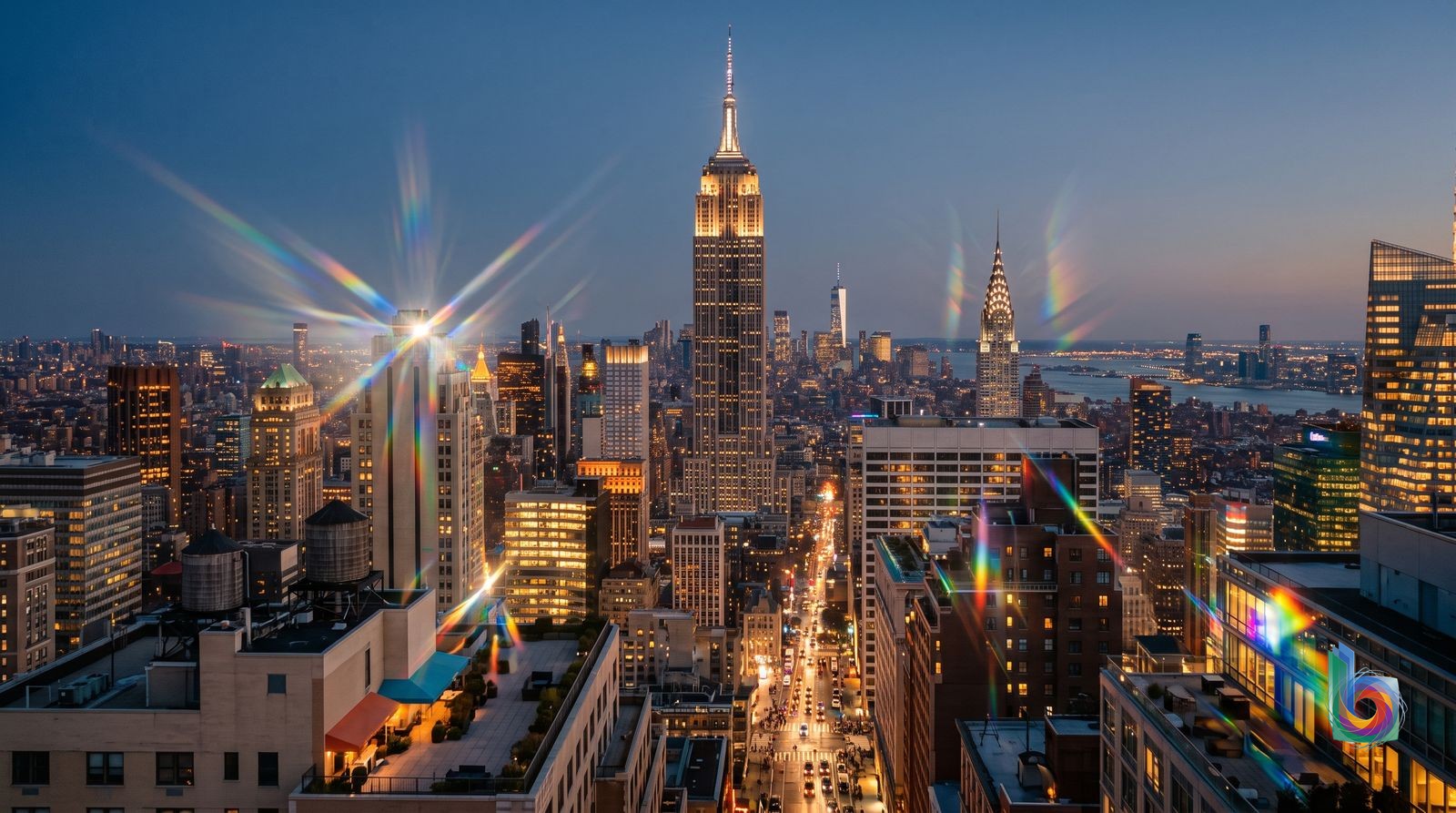
First visit? Stay in Midtown East and Grand Central.
For a first Manhattan trip, this is the least romantic but most effective choice: Grand Central gives you exceptional subway and Metro-North access, while Fifth Avenue, the Chrysler Building, Empire State Building and much of Midtown are walkable. It is central without requiring you to sleep amid Times Square’s constant noise and spectacle.
luxury →
Choose Tribeca for discreet, high-end hotels, handsome loft architecture and a noticeably calmer downtown base than SoHo. It suits travelers happy to pay for space and quiet rather than nightly action.
value →
Harlem is the best Manhattan compromise for travelers trying to reduce lodging costs without leaving the borough, with strong subway corridors and excellent food and cultural depth. The trade-off is a longer ride to Midtown and Lower Manhattan, plus less hotel choice.
family →
The Upper West Side gives families parks on both sides of the neighborhood, the American Museum of Natural History, a residential evening rhythm and practical 1/2/3 and B/C subway access. It is calmer and more liveable than Midtown, though not as central for Broadway or downtown sightseeing.
nightlife →
Stay in the East Village if late bars, music, casual restaurants and the option to wander home after an unplanned night matter most. Accept smaller hotels, weekend noise and the fact that the eastern avenues sit farther from the subway.
quiet →
For an orderly, refined, early-to-bed Manhattan stay, the Upper East Side is more reliably peaceful than downtown and has excellent access on the 4/5/6 and Q. It is ideal if Museum Mile and Central Park are priorities; it is not for travelers who want downtown nightlife at their doorstep.
rail-day-trips →
Grand Central is the obvious Manhattan base for Metro-North day trips, and its 4/5/6/7 and shuttle connections make the rest of the city easy too. It is especially sensible for a short trip combining Manhattan sights with Hudson Valley or Connecticut excursions.
return-visitor →
Return visitors should trade Midtown efficiency for the Village’s low-rise streets, restaurants, historic LGBTQ+ sites and easy walks to SoHo, Chelsea and the East Village. It feels more like a neighborhood, but rooms are scarce and expensive and subway stations are often at the edges.
Avoid sleeping near The immediate Times Square and 42nd Street blocks: The transit is superb and Broadway access is unbeatable, but many visitors regret sleeping directly in the brightest core: noise, crowds, costumed solicitors, chain-heavy and tourist-priced dining, and constant street activity make it exhausting. Stay here only if theater convenience outweighs atmosphere.
Avoid sleeping near Penn Station, far-west Midtown and Hudson Yards hotel blocks: These areas can look convenient on a map, but the blocks immediately around Penn Station are hectic and impersonal, while far-west hotel towers can leave you with a long walk to useful subway lines or neighborhood restaurants. Chelsea proper is a better version of this location.
Avoid sleeping near The far eastern edge of the East Village, especially around Avenues C and D: It can be tempting for lower rates and nightlife proximity, but it is a meaningful walk from several subway lines and can be noisy late at night. Pick the central East Village or Lower East Side only if you actively want the bar scene.
Avoid sleeping near Battery Park City if your trip is centered on evenings and central Manhattan: The waterfront is pleasant and the Financial District is useful for ferries and Lower Manhattan sights, but Battery Park City can feel detached from subway stations and becomes very quiet after work. It is a poor fit for travelers expecting to stroll out to varied late-night food or nightlife.
The neighborhoods
Pick the areas you want to be around — the hotels and tables below narrow to them.
Stay here Fine base Visit, don't sleep
Midtown East and Grand CentralFirst-timer default
Central, practical, less theatrical
The best all-purpose first stay for a short Manhattan trip: office-district energy by day, hotels and reliable transit, with Grand Central, the Chrysler Building, the Empire State Building and Fifth Avenue within an easy walk. It is not charming, but it makes the city legible and efficient.
Vs. others: Pick Midtown East and Grand Central over Times Square if you want centrality without sleeping inside the spectacle; pick Times Square if Broadway and late-night lights matter more than calm.
Grand Central is a major subway and Metro-North hub; the 4/5/6/7 and S shuttle make it exceptionally useful, while many Midtown sights are walkable.
Best for: first-timers, families, rail-day-trips, business travelers
Office blocks can feel subdued after work and on weekends. · Hotels are expensive and restaurant choices near major attractions can be bland or overpriced. · You will still contend with Midtown crowds and traffic.
See hotels in Midtown East and Grand CentralTimes Square and the Theater DistrictAcceptable base
Broadway convenience, sensory overload
This is the hyper-touristed core: Broadway theaters, giant screens, chain stores, crowds and a huge inventory of hotels. It is genuinely convenient for a theater-heavy first trip, but it is not a local New York neighborhood and the constant stimulation wears on many visitors.
Vs. others: Pick Times Square and the Theater District over Midtown East if you are seeing shows most nights; pick Midtown East if you want to sleep somewhere less relentlessly busy.
The Times Sq–42 St complex links the 1/2/3/7, N/Q/R/W and S shuttle, with nearby access to A/C/E; Central Park, Bryant Park and much of Midtown are walkable.
Best for: first-timers, nightlife, Broadway fans, families
Crowds, costumed solicitors and tourist-targeted dining are inescapable. · The immediate blocks can be loud late into the night. · Pickpocket awareness matters in the crush around Times Square and 42nd Street.
See hotels in Times Square and the Theater DistrictChelsea and the Meatpacking DistrictExcellent base
Gallery walks, High Line, nightlife
Chelsea mixes art galleries, the High Line, Chelsea Market, residential side streets and a dense hotel supply. Farther south, Meatpacking is polished, expensive and nightlife-heavy rather than the gritty market district its name suggests.
Vs. others: Pick Chelsea over Greenwich Village if you want the High Line and easier Midtown access; pick Greenwich Village if you want lower-rise streets and a more intimate evening atmosphere.
The A/C/E and 1 serve the neighborhood, with L service at 14th Street; the High Line makes a pleasant walk north, but the far-west blocks can be a longer walk from subway stations.
Best for: foodies, nightlife, return-visitors, LGBTQ+ travelers
Meatpacking can be noisy, clubby and expensive at night. · Chelsea Market and the High Line are often crowded. · Hotels near Hudson Yards or the far west side can feel isolated from the subway.
See hotels in Chelsea and the Meatpacking DistrictFlatiron, NoMad and GramercyExcellent base
Central, polished, lived-in enough
A useful middle ground between tourist Midtown and downtown neighborhoods: landmark architecture around Flatiron, restaurant and hotel density in NoMad, and quieter residential streets near Gramercy. It feels polished and pricey, but less performatively touristy than Times Square.
Vs. others: Pick Flatiron, NoMad and Gramercy over Soho if you want easier access to Midtown and a more practical hotel base; pick Soho if shopping and downtown atmosphere are the priority.
The 4/5/6, N/Q/R/W, F/M and L are within reach depending on the block; Union Square, Madison Square Park, Chelsea and the Village are readily walkable.
Best for: first-timers, foodies, couples, families
Hotel rates are high for an area that can be quiet after dinner. · NoMad's new hotels and restaurants can feel generic or scene-driven. · Gramercy itself has fewer subway stations than its neighbors.
See hotels in Flatiron, NoMad and GramercyGreenwich Village and West VillageExcellent base
Crooked streets, expensive calm
The Village remains one of Manhattan's most appealing places to wander: low-rise streets, brownstones, small restaurants, Washington Square and the historic LGBTQ+ core around Christopher Street. Its bohemian reputation is real historically; in daily life it is now very affluent, heavily visited and hard to book cheaply.
Vs. others: Pick Greenwich Village and West Village over the East Village if you want prettier streets and a quieter evening; pick the East Village if you want more casual eating and later, livelier nights.
The A/C/E, 1, B/D/F/M and 4/5/6 are accessible around the edges, but the neighborhood's irregular interior often means a walk to the train; Soho, Chelsea and the East Village are walkable.
Best for: couples, foodies, return-visitors, LGBTQ+ travelers
Hotel inventory is limited and expensive. · Weekend restaurant and bar crowds can clog the most popular blocks. · The non-grid streets make navigation less intuitive than elsewhere in Manhattan.
See hotels in Greenwich Village and West VillageSoHo, Nolita and Little ItalyExcellent base
Cast iron, shopping, polished crowds
SoHo's cast-iron streets are beautiful, but the neighborhood is now primarily high-end shopping, restaurants and visitors rather than the artists' quarter it once was. Nolita offers a smaller-scale restaurant scene; Little Italy is reduced to a few tourist-facing blocks and festival moments.
Vs. others: Pick SoHo, Nolita and Little Italy over Tribeca if you want shops and easier access to the Village and East Village; pick Tribeca if you want calmer streets and more space.
The N/Q/R/W, 4/5/6, B/D/F/M, C/E and J/Z are available around its edges; Chinatown, the Village and Lower Manhattan are easy walks.
Best for: shopping, foodies, luxury, return-visitors
Weekend sidewalks can be packed with shoppers. · Many restaurants and shops are priced for visitors and luxury spending. · The center of SoHo is less transit-convenient than its perimeter.
See hotels in SoHo, Nolita and Little ItalyChinatown and the Lower East SideAcceptable base
Best eating, busiest sidewalks
Two adjoining but distinct worlds: Chinatown remains dense, working and food-focused around Canal and Mott, while the Lower East Side pairs immigrant history with boutiques, bars and restaurants. This is among the most rewarding areas to wander and eat, though it can be messy, loud and intensely crowded.
Vs. others: Pick Chinatown and the Lower East Side over SoHo if eating and energy matter more than polished shopping; pick SoHo if you want a quieter, more upscale hotel experience.
Canal Street and Delancey/Essex provide broad access via the 4/5/6, N/Q/R/W, J/Z, B/D and F/M; Soho, the East Village and the Brooklyn Bridge area are walkable.
Best for: foodies, nightlife, budget-minded diners, return-visitors
Canal Street crowds and counterfeit-goods hawkers can be tiring. · The Lower East Side has noisy late-night bar traffic. · Sidewalks are crowded and the street scene is less polished than nearby SoHo.
See hotels in Chinatown and the Lower East SideEast VillageAcceptable base
Casual, creative, still up late
The East Village is dense with bars, small restaurants, music, Japanese and Ukrainian traces, students and young professionals. It is far more gentrified than its rougher-era mythology suggests, but remains one of the better places for a spontaneous night out and unplanned meals.
Vs. others: Pick the East Village over Greenwich Village if you want cheaper-feeling meals and later nightlife; pick Greenwich Village if you prefer quieter streets and a more polished stay.
The L crosses 14th Street, the 4/5/6 runs along the east side, and the F/M and N/Q/R/W are reachable westward; the neighborhood is very walkable to Union Square and the Lower East Side.
Best for: nightlife, foodies, younger travelers, return-visitors
Avenues A through D are farther from the subway than a map may suggest. · Bar noise and weekend crowds are real. · Hotel choices are fewer, often small, and not usually a bargain.
See hotels in East VillageTribecaExcellent base
Quiet luxury below Canal
Tribeca is a handsome former-industrial district of cobbled stretches, loft buildings, high-end restaurants and a notably calmer weekend rhythm than SoHo. It is an excellent splurge base for travelers who want downtown without the nightlife churn, not an economical or especially spontaneous one.
Vs. others: Pick Tribeca over SoHo if you want quieter streets and a more residential feel; pick SoHo if shopping, galleries and being amid the action matter more.
The 1/2/3, A/C/E and R/W serve different edges, but some blocks require a walk; the Hudson waterfront, SoHo, the Financial District and the Brooklyn Bridge are walkable.
Best for: luxury, families, quiet, return-visitors
It is one of Manhattan's priciest places to sleep and eat. · Its calm can read as empty at night. · Subway convenience varies sharply by hotel location.
See hotels in TribecaFinancial District and Battery Park CityAcceptable base
Skyline sights, quieter after work
This is Lower Manhattan's monumental business and memorial district: Wall Street, the World Trade Center, ferries, Battery Park and the waterfront. It is practical for sightseeing and transit, while Battery Park City adds calmer, planned residential waterfront blocks; neither is the best choice for a classic neighborhood evening.
Vs. others: Pick the Financial District and Battery Park City over Midtown East if the Statue of Liberty, 9/11 Memorial and Brooklyn-bound exploring dominate your itinerary; pick Midtown East for easier access to Broadway and central Manhattan.
Fulton Street is one of Manhattan's strongest subway hubs, with multiple lines nearby; Staten Island, Statue City Cruises and Governors Island ferries are close, while Midtown is a subway ride rather than a walk.
Best for: families, rail-day-trips, first-timers, history-focused travelers
Much of the Financial District empties after office hours and on weekends. · Tourist restaurants around major sights can disappoint. · Battery Park City is pleasant but can feel disconnected from subway stations and late-night activity.
See hotels in Financial District and Battery Park CityUpper West SideExcellent base
Residential Manhattan beside the park
The Upper West Side is a classic, liveable Manhattan neighborhood: brownstones and apartment buildings, Central Park and Riverside Park, the American Museum of Natural History, Columbia nearby, and serious food shopping. It feels calmer and more domestic than Midtown without being suburban.
Vs. others: Pick the Upper West Side over the Upper East Side if you want easier access to the west-side subway trunk and Riverside Park; pick the Upper East Side if Museum Mile and a more polished east-side atmosphere appeal more.
The 1/2/3 run along Broadway and B/C serve Central Park West; Central Park and the American Museum of Natural History are walkable, but downtown sights require a subway ride.
Best for: families, quiet, return-visitors, museum-goers
It is farther from Lower Manhattan and Broadway than Midtown bases. · Hotel stock is thinner than in Midtown. · It is tranquil rather than exciting late at night.
See hotels in Upper West SideUpper East Side and Museum MileExcellent base
Refined, residential, museum-rich
The Upper East Side is wealthy, orderly and largely residential, with Museum Mile along Fifth Avenue and good restaurants on Madison and the side streets. It is a comfortable choice for people who value quiet over edge, and a poor one for anyone expecting downtown's all-night energy.
Vs. others: Pick the Upper East Side over the Upper West Side if the Met and Museum Mile are central to your trip; pick the Upper West Side for a more relaxed west-side park-and-subway experience.
The 4/5/6 on Lexington and Q on Second Avenue provide strong north–south access; Central Park and the Met are walkable, while cross-town trips can be slower.
Best for: luxury, families, quiet, museum-goers
It can feel sleepy at night. · You will spend more time on the subway reaching downtown neighborhoods. · Dining and hotels skew expensive.
See hotels in Upper East Side and Museum MileHarlemAcceptable base
Culture, history, real neighborhood life
Harlem is a major center of Black American history and culture, with churches, music, restaurants and a more residential rhythm than Midtown. It rewards travelers who come to explore rather than merely sleep near tourist sights; its experience varies block by block, as in any large neighborhood.
Vs. others: Pick Harlem over the Upper West Side if cultural history, soul food and a more local neighborhood feel matter more than being beside Central Park; pick the Upper West Side for easier access to Midtown and major museums.
The 2/3, A/B/C/D and 4/5/6 serve different parts of Harlem; Central Park's north end is walkable from parts of the neighborhood, while Midtown is a train ride.
Best for: foodies, music and history travelers, value, return-visitors
It is not central for a first-time, sight-dense itinerary. · Late-night options and hotel supply are less extensive than downtown. · As anywhere, use normal city awareness on quieter blocks late at night.
See hotels in HarlemWashington Heights and InwoodVisit, don't sleep
Green, Dominican, far uptown
Northern Manhattan is worth visiting for Dominican food, dramatic terrain, the Cloisters, Fort Tryon Park and Inwood Hill Park—the latter preserving a sense of Manhattan's original landscape. It is a real residential area, not a convenient tourist base, and feels geographically remote from most first-visit sights.
Vs. others: Pick Washington Heights and Inwood over Harlem if parks, the Cloisters and Dominican culture are your goal; pick Harlem if you want a much shorter ride to Midtown and a more practical overnight base.
The A and 1 run north–south through the area; Fort Tryon Park and the Cloisters are reachable on foot from nearby stations, but Midtown and Lower Manhattan require substantial subway time.
Best for: return-visitors, foodies, quiet, park lovers
It is far from the main tourist core. · The terrain is hillier than most of Manhattan. · Limited tourist-oriented hotel choice makes a stay needlessly inconvenient for most visitors.
See hotels in Washington Heights and Inwood